Spray Foam Insulation
Spray foam insulation is an alternative to traditional building insulation such
as fiberglass. A two-component mixture composed of isocyanate and polyol resin comes together at the tip of a gun, and forms an expanding foam that
is sprayed onto roof tiles, concrete slabs, into wall cavities, or through holes drilled in into a cavity of a finished wall. Spray Foam insulation
is becoming a more practical and cost-effective way to insulate your new or old home.
read more |
 SPRAY FOAM INSULATION |
Fiberglass Insulation
Fiberglass is a type of fiber primarily composed of glass that is used in a wide variety of applications, and is predominantly employed as a residential
and commercial thermal insulator. Fiberglass is also used to create products as varied as automobile bodies, boat hulls, arrows, roofing, shower curtains, and
tent poles. As an insulator, it slows the spread of heat, cold and sound in structures, cars and aircraft. By trapping pockets of air, it keeps rooms warm in
the winter and cool in the summer and thereby serves as a convenient method to increase energy efficiency. Fiberglass is an attractive choice for home
insulation because it poses no fire hazard. According to some estimates, thermal insulation (made from fiberglass and its alternatives) conserves 12 times as
much energy as is lost in its production, and it may reduce residential energy costs by up to 40%.
|
 FIBERGLASS BATTING INSULATION |
Cellulose Insulation
There are several different types of cellulose insulation, but the most common type that homeowners will encounter is called loose
fill. Pellets of cellulose are blown into attics or walls (with holes drilled to permit access) and allowed to fill the cavities. No pressure
is placed on the cellulose, though this is also a method of dense-packing the cellulose that will raise the R-value of the insulation.
read more
|
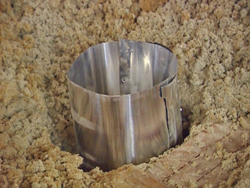 CELLULOSE LOOSE INSULATION |
Blown-In Insulation
|
Blown-in insulation, or blow in insulation, products are competing to bring improved performance per square inch and the
least amount of settling over time to the insulation market. Blown-in insulation refers to blowing or spraying insulation product into wall
cavities, attics, and floors. Methods vary depending on the form of insulation selected.
Loose-Fill Fiberglass
In its loose-fill form, fiberglass is made from glass that is blown or spun into fibers. It is installed using a blowing machine. Loose-fill fiberglass is suitable for attics and wall cavities and can combat common insulation enemies like mildew, fungus, and moisture. Blow-in cellulose insulation has been around since the 1920′s and consists predominantly of recovered or recycled newsprint and/or corrugated cardboard, treated with a fire retardant. Three main types of blow-in cellulose insulation are used in residential application: loose fill, stabilized, and wall-cavity spray. read more |
 BLOWN-IN INSULATION |
Rigid Insulation
There are different types of rigid foam insulation, but all rigid foam insulation has certain
advantages and limitations. Fiberglass and cellulose insulation can't stop air movement, but rigid foam can. Unlike batt and blown insulation, it won't blow or shift
out of place once it's installed.
read more |
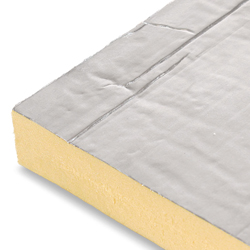 RIGID INSULATION BOARD |